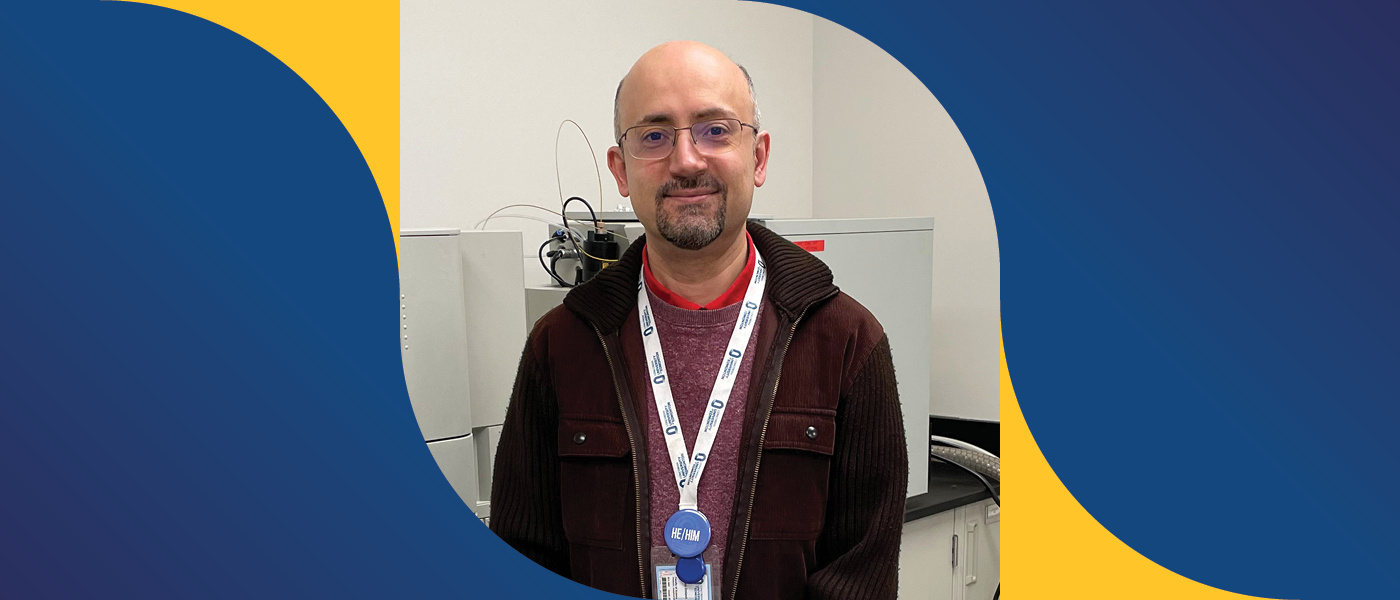
Researcher Spotlight: Dr. Makan Golizeh
Next time you smell something burning in the kitchen, consider this: the same chemical process making your food turn brown and flavourful is also happening inside your body, quietly contributing to how you age.
For Dr. Makan Golizeh, the connection between what we eat and how we age isn’t just fascinating, it’s the driving question behind his research.
“Aging doesn’t just affect our bodies; it impacts our quality of life, our social behaviour, and our overall productivity as a society,” he explains. “What is truly amazing is that this massive human experience is driven by simple chemical reactions happening at the molecular level.”
The Chemistry Hidden in Your Food
Dr. Golizeh is a bioanalytical chemist with a passion for aging research, with a focus on harmful “browning” compounds that form when food is cooked under high heat and dry conditions.
When proteins and sugars react at temperatures above 140°C, such as during grilling or frying, a chemical reaction occurs between proteins and sugars that produces compounds the body struggles to process. These are the same compounds responsible for that dark, bitter crust on overcooked meat or the deep brown colour of a French fry.
They may make food look and smell appealing, but they can be toxic, and long-term exposure is linked to diseases like diabetes, atherosclerosis, and conditions affecting the brain.
What makes this especially relevant is that these same compounds don’t just form in a frying pan, they also build up inside the human body naturally as we age, and their buildup accelerates the aging process.
Studying how and when these compounds form, Dr. Golizeh’s team is working toward identifying simple changes to how we cook and eat that could meaningfully slow down their effects.
Listening to Your Food Cook
Perhaps the most striking tool in Dr. Golizeh’s arsenal isn’t a microscope but a microphone.
Dr. Golizeh’s team is developing a technique that uses acoustic measurement to detect the precise moment harmful compounds begin to form during cooking. As water evaporates from a cooking vessel, the sound waves produced by the process change, and capturing that shift could allow researchers to link cooking conditions directly to the extent of the browning reaction.
The lab is also developing strategies to reduce the formation of harmful browning compounds in food. One recent publication demonstrated that an active ingredient from rice bran can reduce browning compounds in French fries by up to 15%.
Research That Opens Doors
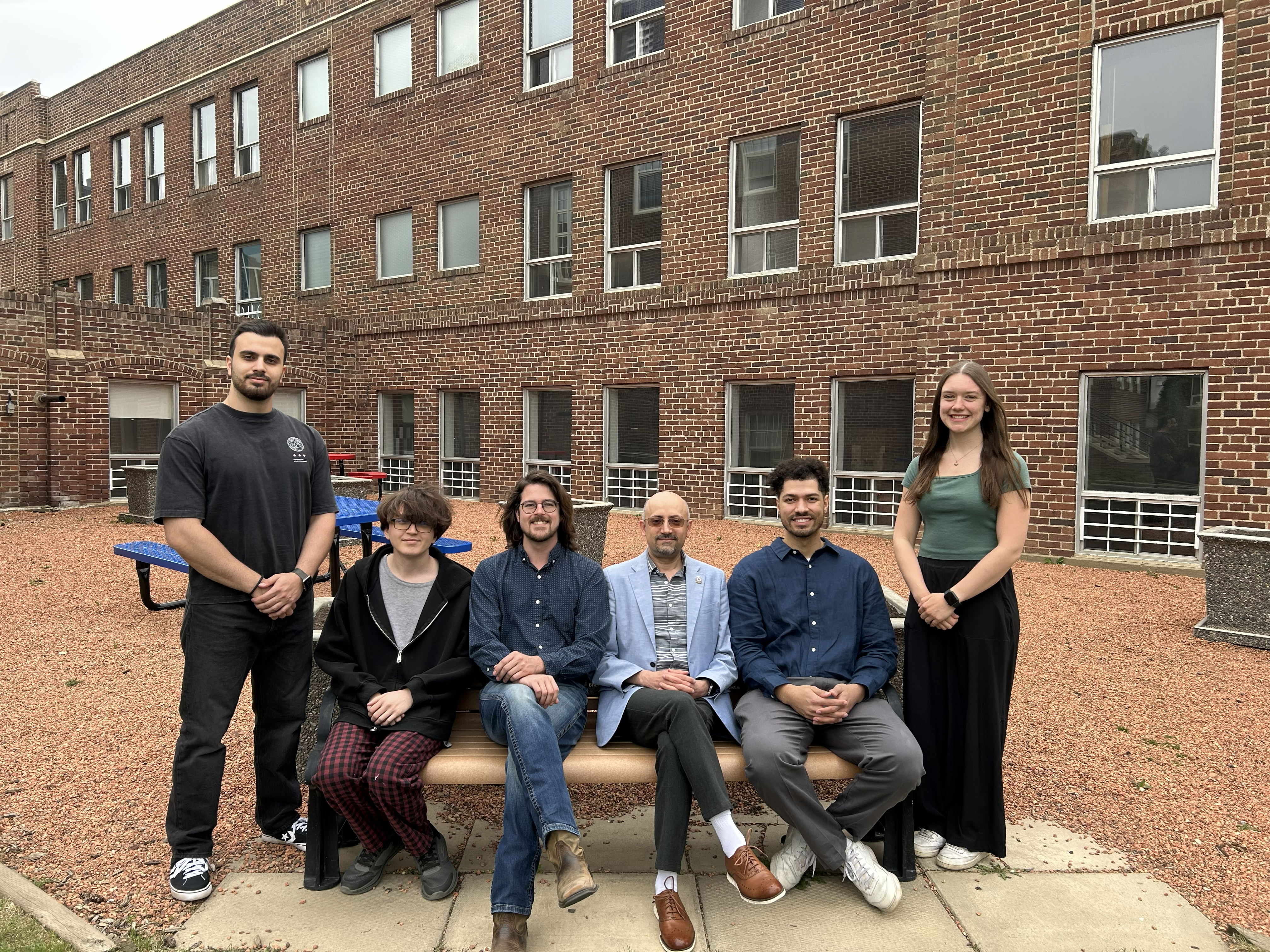
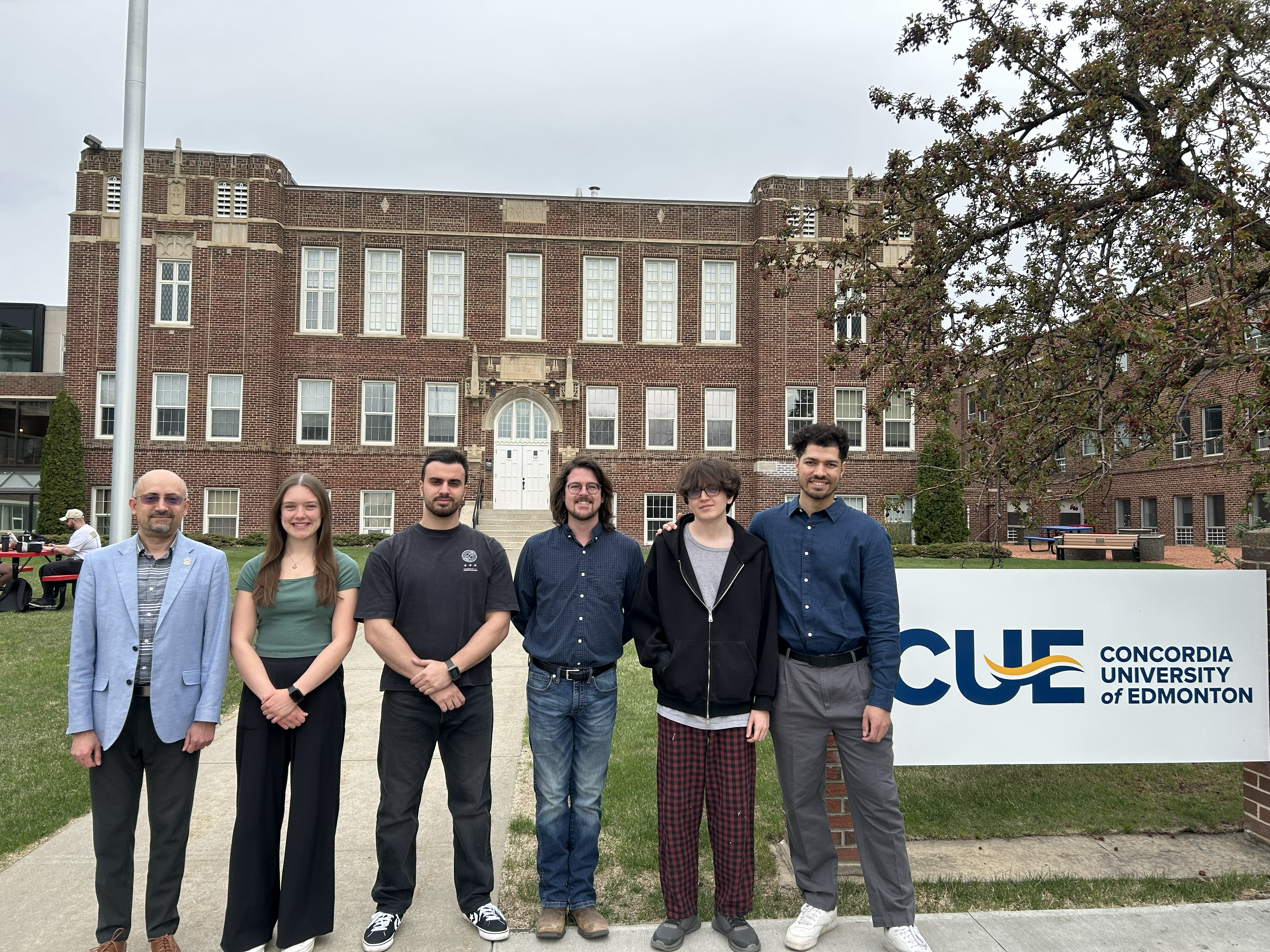
Undergraduate student researchers are central to how Dr. Golizeh’s lab operates. Dr. Golizeh has developed a deliberate approach to connecting CUE students to research opportunities, structuring projects into small, complementary pieces that align with the demands of a full course load so that students can still contribute to research publications without sacrificing marks in their other classes.
Students from biology, chemistry, and information technology have all contributed to the lab’s work, demonstrating the interdisciplinary nature of Dr. Golizeh’s research.
One former student, Cole Babcock, took his lab experience further than most. He fell in love with research so completely that he launched his own Alberta-based contract research company, now serving partners across Canada and the United States.
“It is incredibly rewarding to see a former student succeed like this and continue to give back to our academic community,” Dr. Golizeh reflects.
The CUE Difference
Transitioning from a large research-intensive institution to an undergraduate-focused university required Dr. Golizeh to rethink how research gets done, and he considers it one of the most rewarding shifts of his career.
“Working exclusively with undergraduate students at CUE is an inspiring experience,” he says. “Their unbridled curiosity and eagerness bring a unique, vibrant energy to the team.”
For students curious about getting involved in research opportunities, his message is simple: look around campus, talk to your professors, and find those opportunities.
“Research is also fun,” he adds. “One gets to make new connections, understand the world in a much deeper way, and look at everyday things through a completely different lens.”
Acknowledgements
Dr. Golizeh’s research is supported by the Natural Sciences and Engineering Research Council of Canada (NSERC), Concordia University of Edmonton (CUE), Mitacs, and Babcock’s Synthetics Ltd.
Open-access publications are supported by the Canadian Research Knowledge Network (CRKN).